
History
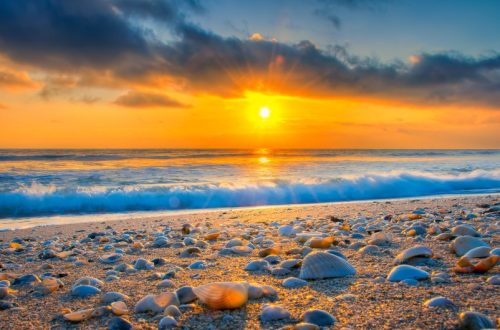
In the quiet coastal stretch of Florida known today as Hobe Sound, the rhythm of the past is never far from the surface. Sea oats bend in the Atlantic breeze, the Indian River Lagoon lies glassy and still to the west, and the landscape feels only lightly touched by time.
Long before roads, railways, or winter estates, this was a place defined by water, wind, and the people who knew how to live with both.
The First Inhabitants: The Ais and the Coastal World
The earliest known inhabitants of this region were the Ais Indians, a coastal people who lived along what is now called the Indian River Lagoon.
Unlike inland tribes, the Ais built their lives around the water. Fish, shellfish, and marine life formed the backbone of their survival, and the lagoon served as both highway and pantry. They moved with the seasons, adapting to a landscape that could be both generous and unforgiving.
The name “Hobe” is widely believed to derive from the language of the Ais, though its exact meaning has been lost to time. What remains is a linguistic echo—a reminder that this place was known, named, and lived in long before it was mapped.
European contact began in the 16th century with Spanish exploration of Florida. But rather than a single moment of conquest, the Ais experienced a gradual and devastating decline over generations, brought on by disease, disruption, and outside pressures. By the 18th century, their presence had largely faded from the historical record, though their imprint on the land endures.
Pineapples, Railroads, and the Promise of the Land
For much of the 19th century, this stretch of Florida remained sparsely settled. That began to change in the late 1800s, when settlers recognized the agricultural potential of the sandy coastal soil and subtropical climate.
Nearby communities—especially Jensen, just to the north—became known for their pineapple plantations, part of a regional industry that briefly flourished along Florida’s east coast. Hobe Sound shared in this agricultural identity, with farms producing pineapples, tomatoes, and other crops that could be shipped north.
A turning point came with the expansion of the Florida East Coast Railway, Henry Flagler’s ambitious rail line that transformed Florida’s east coast. The railway connected isolated coastal settlements to major markets, making farming viable and encouraging new development.
For a time, the area pulsed with the optimism of Old Florida enterprise—fields under cultivation, shipments heading north, and a sense that this quiet coast might become something more.
Jupiter Island and the Arrival of Quiet Wealth
In the early 20th century, a different kind of attention arrived—not from farmers, but from those seeking retreat.
Just offshore, on narrow and windswept Jupiter Island, the exclusive Jupiter Island Club was established in the 1920s. It became a winter refuge for some of America’s most prominent families, including members of the Rockefeller family.
Unlike the more flamboyant resort developments farther south, this enclave evolved quietly. Large estates were tucked behind vegetation, and the natural landscape was preserved rather than overtaken. That philosophy—privacy, understatement, and respect for the environment—would shape the character of the surrounding area, including Hobe Sound itself.
A Different Kind of Florida
While much of Florida’s coastline gave way to high-rise development and dense tourism, Hobe Sound remained something quieter.
Places like Blowing Rocks Preserve—where waves crash dramatically against ancient limestone formations—and nearby Jonathan Dickinson State Park preserve a landscape that feels closer to the state’s earlier identity.
Here, the experience isn’t manufactured. It’s elemental.
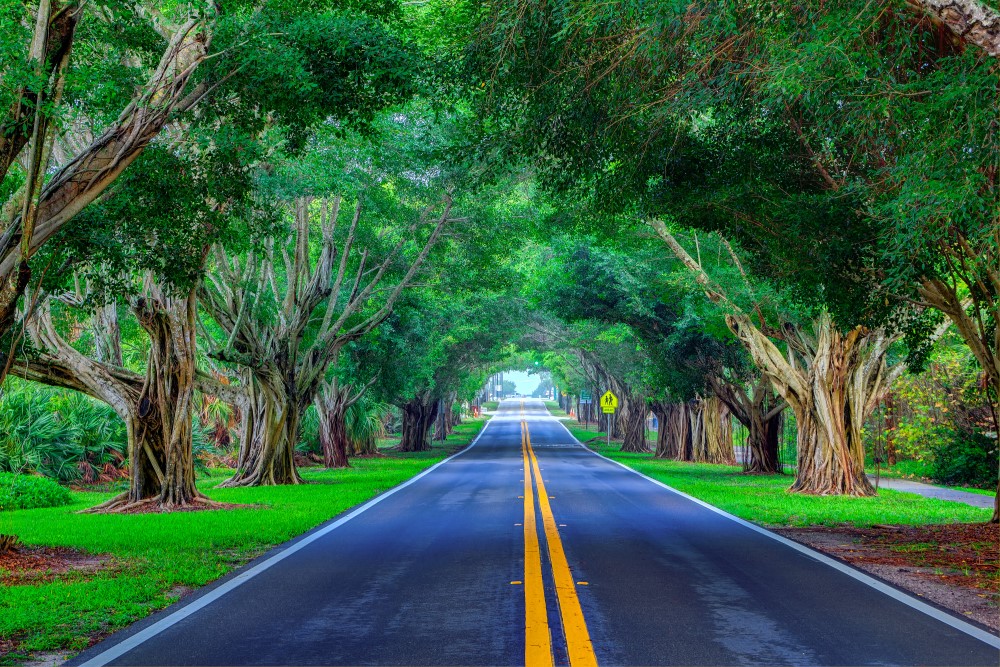
You see it in the unbroken stretches of beach, in the canopy roads shaded by banyan and oak, and in the absence of the visual noise that defines so much of modern coastal Florida.
Hobe Sound Today
Hobe Sound has grown, as all places do. But it has done so with a kind of restraint that’s increasingly rare.
The agricultural fields have mostly faded, and the trains no longer define daily life. Yet the town has avoided the extremes of overdevelopment, holding onto a sense of scale and quiet continuity.
What remains is not a frozen past, but a living one—a place where layers of history are still visible if you know where to look. The Ais once moved through these waters. Farmers once worked this soil. Industrialists once sought refuge just offshore.
And today, the same wind still moves through the sea oats.
You May Also Like